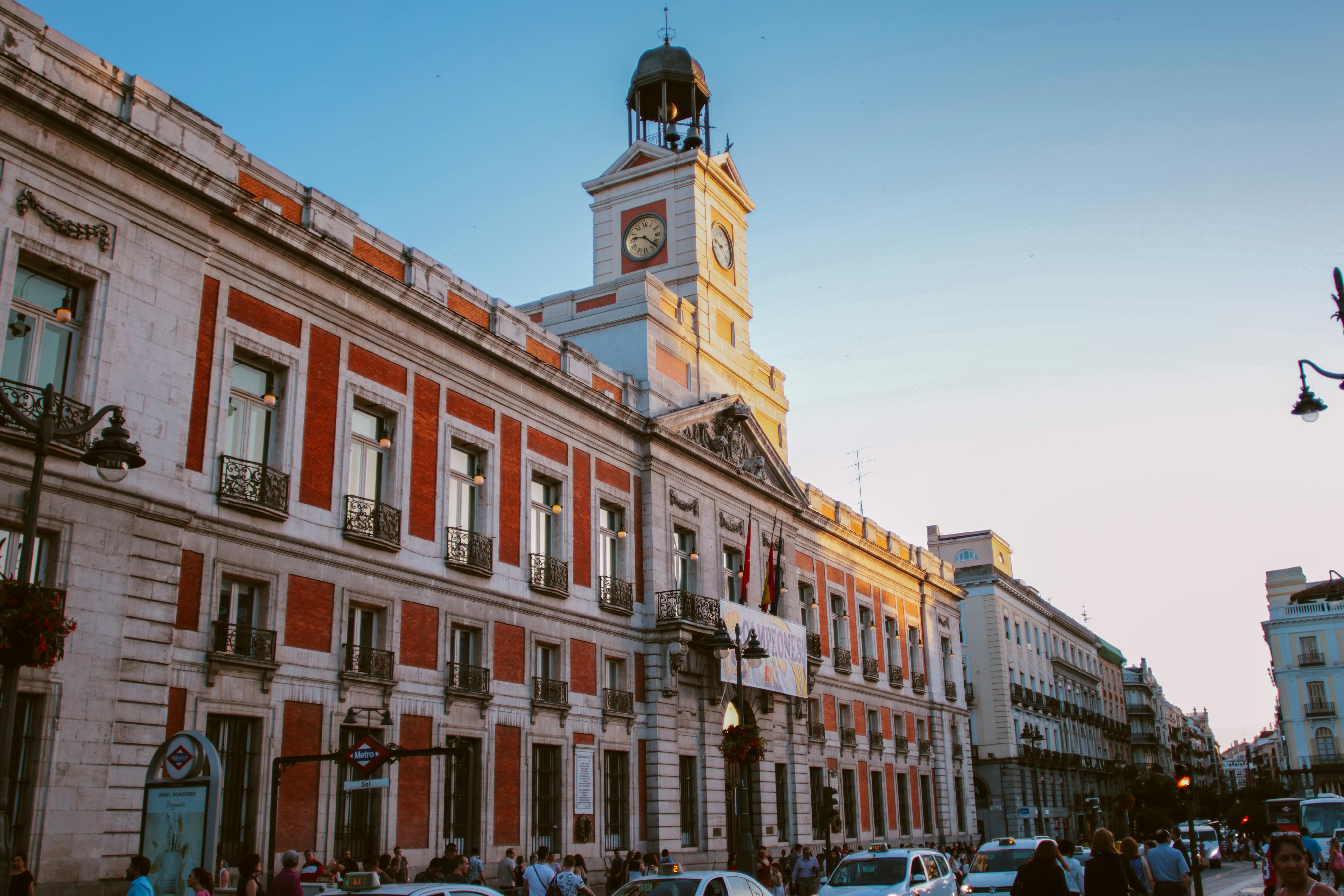
Spain isn’t just a feast for the eyes—it’s a country where every region offers a unique flavor, every town has a signature dish, and every meal is an opportunity to slow down, savor, and connect. From bustling food markets in Barcelona to rustic village kitchens in Andalucía, Spanish cuisine is an essential part of the country’s cultural fabric.
What makes Spanish food so special? It’s not just the ingredients—though they are world-class. It’s the connection to land and tradition, the simplicity of preparation that lets flavors shine, and the social ritual of eating. Whether you're sharing tapas with friends, sipping local wine at sunset, or sitting down to a slow-cooked cocido madrileño on a chilly day, Spain’s culinary culture invites you to be present and joyful.
Spanish cuisine is incredibly diverse, shaped by geography, climate, and centuries of history. In the north, lush green landscapes yield rich stews and creamy cheeses. The Mediterranean coast offers a bounty of fresh seafood and sun-ripened produce, while the interior regions serve up hearty meats, legumes, and comfort food meant to fuel long days and laughter-filled nights
In this guide, we’ll explore the culinary treasures that define Spain—from iconic dishes and regional specialties to the vibrant food markets and lesser-known bites that you won’t find in typical tourist guides. Come hungry—you’re about to take a flavorful journey through one of the world’s most beloved food cultures.
Spain’s Iconic Dishes and Where to Find Them
1. Tapas: Small Plates, Big Personality
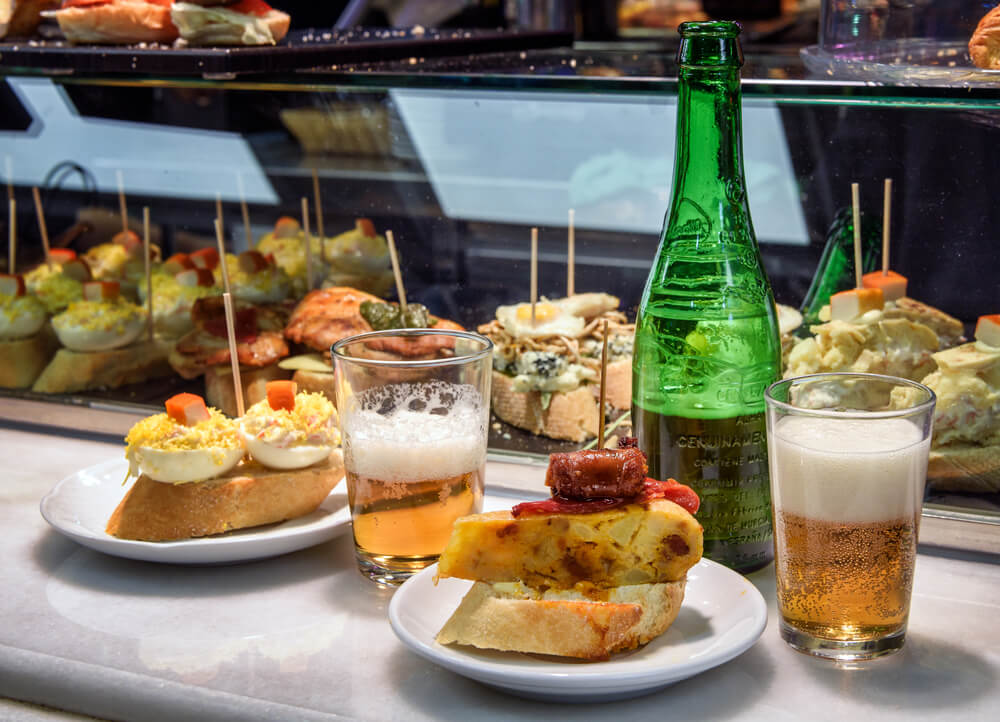
Must-try region: Seville, for lively tapas bars and authentic flamenco vibes. Tip: Tapas culture is strongest in southern Spain, where many bars still serve a free tapa with your drink.
No culinary tour of Spain is complete without tapas. More than just food, tapas represent a way of life—a way to gather, share, and taste a little bit of everything. From garlic shrimp (gambas al ajillo) to spicy potatoes (patatas bravas), every bar offers its own twist
2. Regional Cheeses and Cured Meats
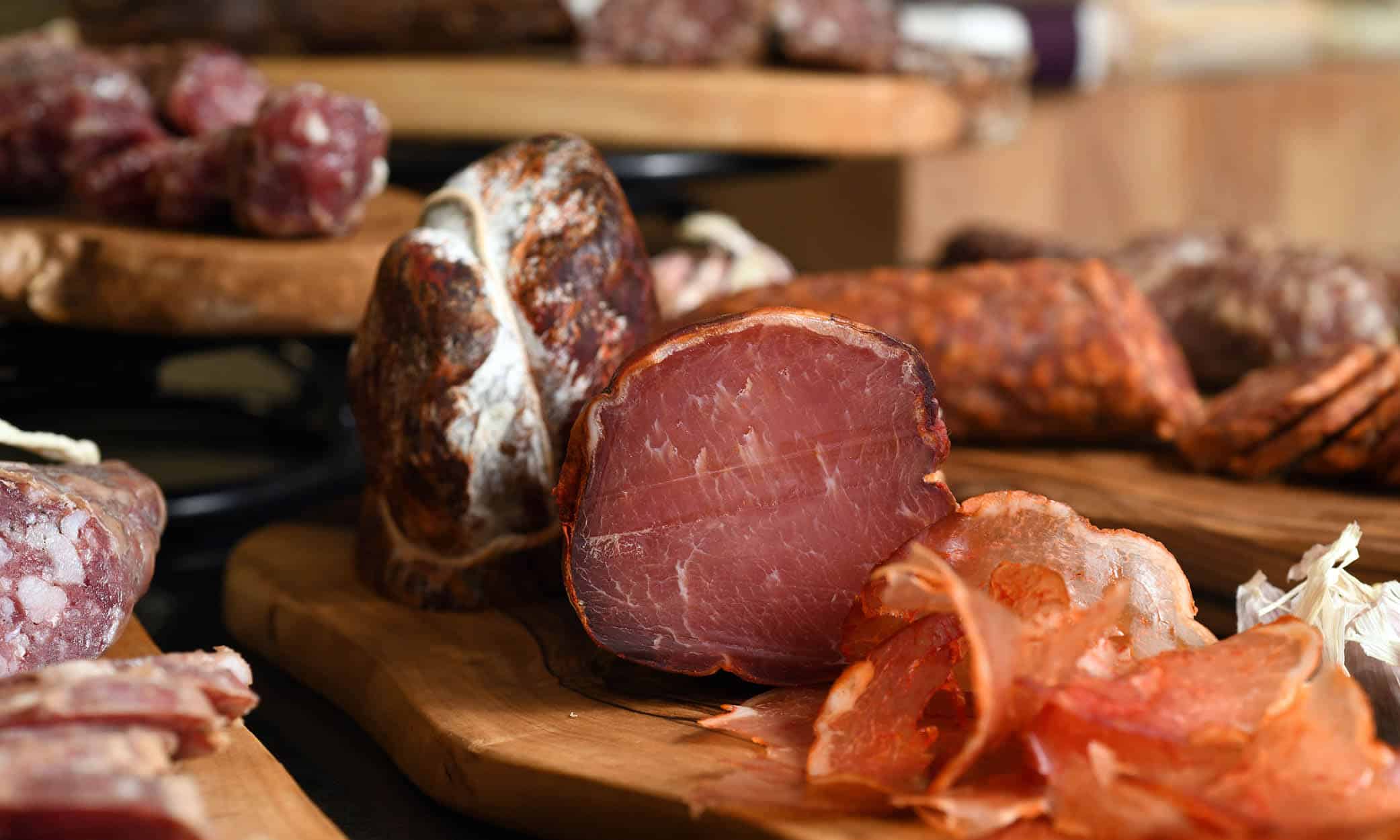
Explore in: La Mancha (for Manchego), Salamanca and Huelva (for jamón ibérico), and Asturias (for strong blue cheeses like Cabrales).
Spain is home to over 150 varieties of cheese, many of which never leave the country. Pair a slice of Manchego with jamón ibérico—Spain’s prized acorn-fed cured ham—and you’ll understand why locals take their snacks seriously.
3. Paella: More Than Just Rice
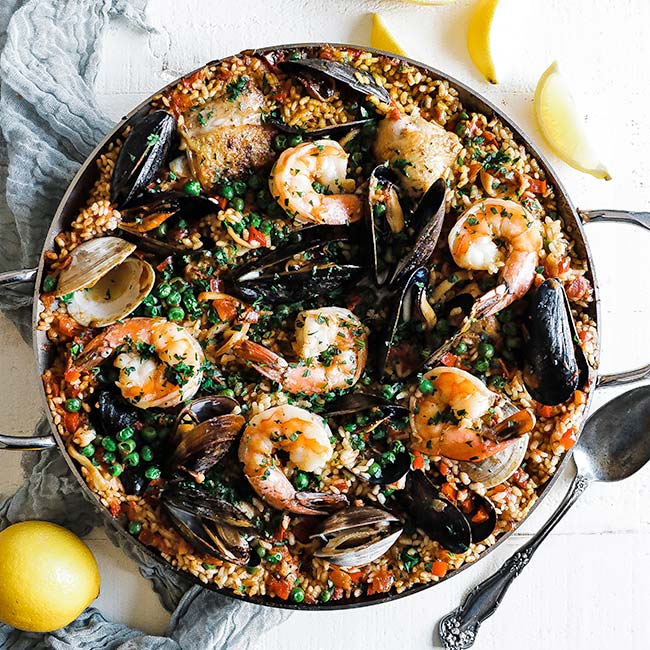
Where to try it: Valencia is the birthplace, but coastal towns like Dénia and Altea offer excellent seafood rice dishes.
While paella is internationally known, it’s often misunderstood. True Valencian paella isn’t seafood-heavy—it’s made with rabbit, chicken, and local green beans. Along the coast, you’ll find seafood versions like arroz a banda or fideuà, a noodle-based cousin of paella.
4. Spanish Wine and Sherry: A Liquid Legacy
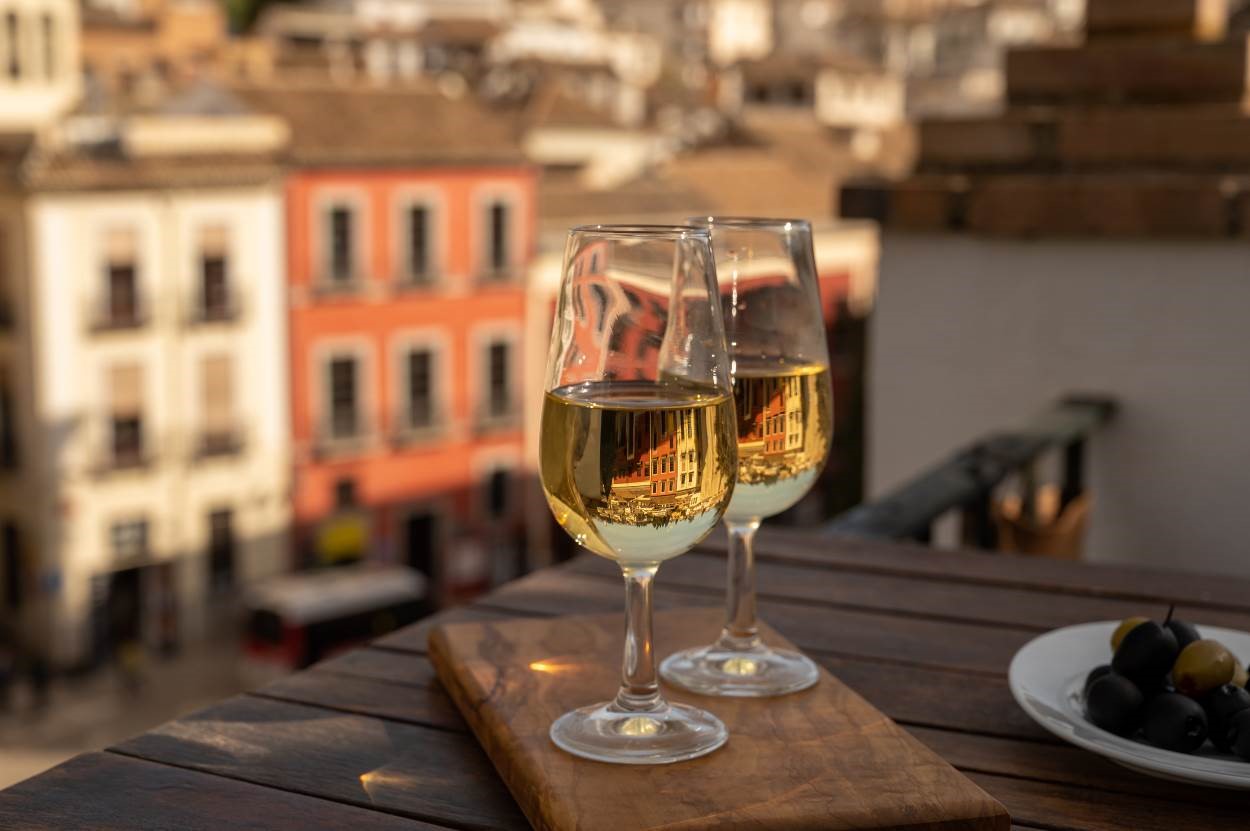
Wine lovers should visit: La Rioja for tradition, Penedès for sparkling Cava, and Jerez for fortified wines.
From the bold reds of Ribera del Duero and Rioja to the crisp Albariños of Galicia and the complex sherries of Jerez, Spain’s wines are as varied as its landscapes. Visiting a bodega (winery) is a must for anyone who loves wine and storytelling.
5. Pan con Tomate, Tortilla Española, and Other Simple Pleasures
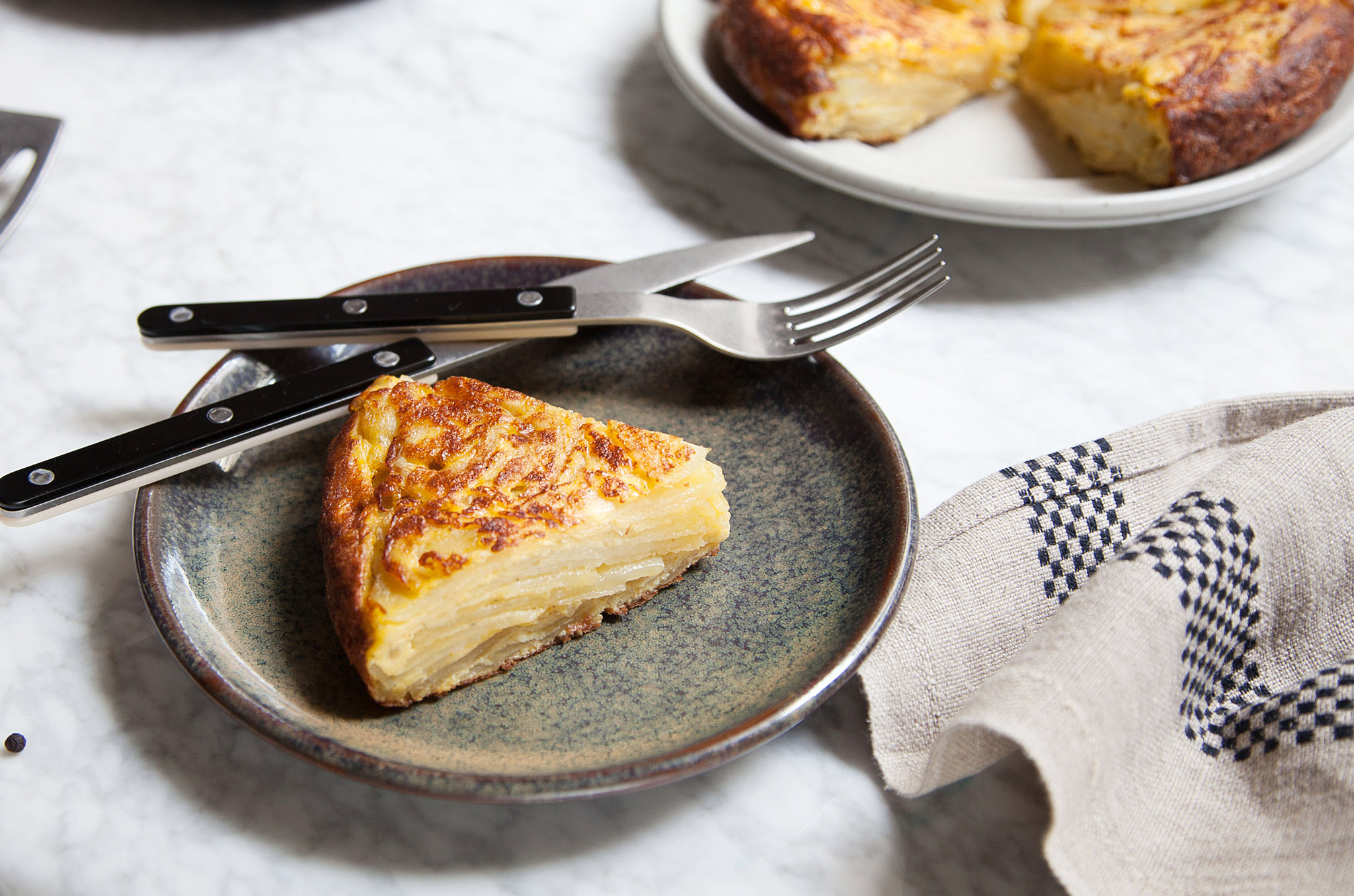
Try them: In local cafés or even train stations—you’d be surprised how good a tortilla can be in Spain.
Some of Spain’s most beloved dishes are also the simplest. Pan con tomate (bread rubbed with tomato, garlic, and olive oil) is a staple of Catalan breakfasts. Tortilla española, a thick potato and egg omelet, can be found everywhere and is delicious warm or cold.
Hidden Gems: Dishes You Might Not Know
- Salmorejo: A thicker, richer cousin of gazpacho from Córdoba.
- Pulpo a la gallega: Tender octopus seasoned with paprika and olive oil, a Galician favorite.
- Fabada asturiana: A hearty bean stew with sausage and pork from Asturias
- Churros con chocolate: Fried dough dipped in thick, hot chocolate—a sweet end to any night.
Planning Your Culinary Adventure
Best time to visit for food: Spring and fall, when seasonal produce is abundant.
- Markets to explore: La Boquería (Barcelona), Mercado de San Miguel (Madrid), Mercado Central (Valencia), and local weekly markets in rural towns.
- Cultural tip: Meals are often later than what many tourists expect. Lunch around 2 PM, dinner after 9 PM.
Exploring Spain through its food is one of the most immersive and rewarding ways to experience the country. Each bite tells a story—of land, of family, of tradition. Whether you're nibbling tapas in a busy bar or enjoying a long meal in a quiet village, Spanish cuisine invites you to slow down and savor the moment. So bring your appetite, a sense of curiosity, and maybe a stretchy pair of pants—because in Spain, every meal is a celebration.