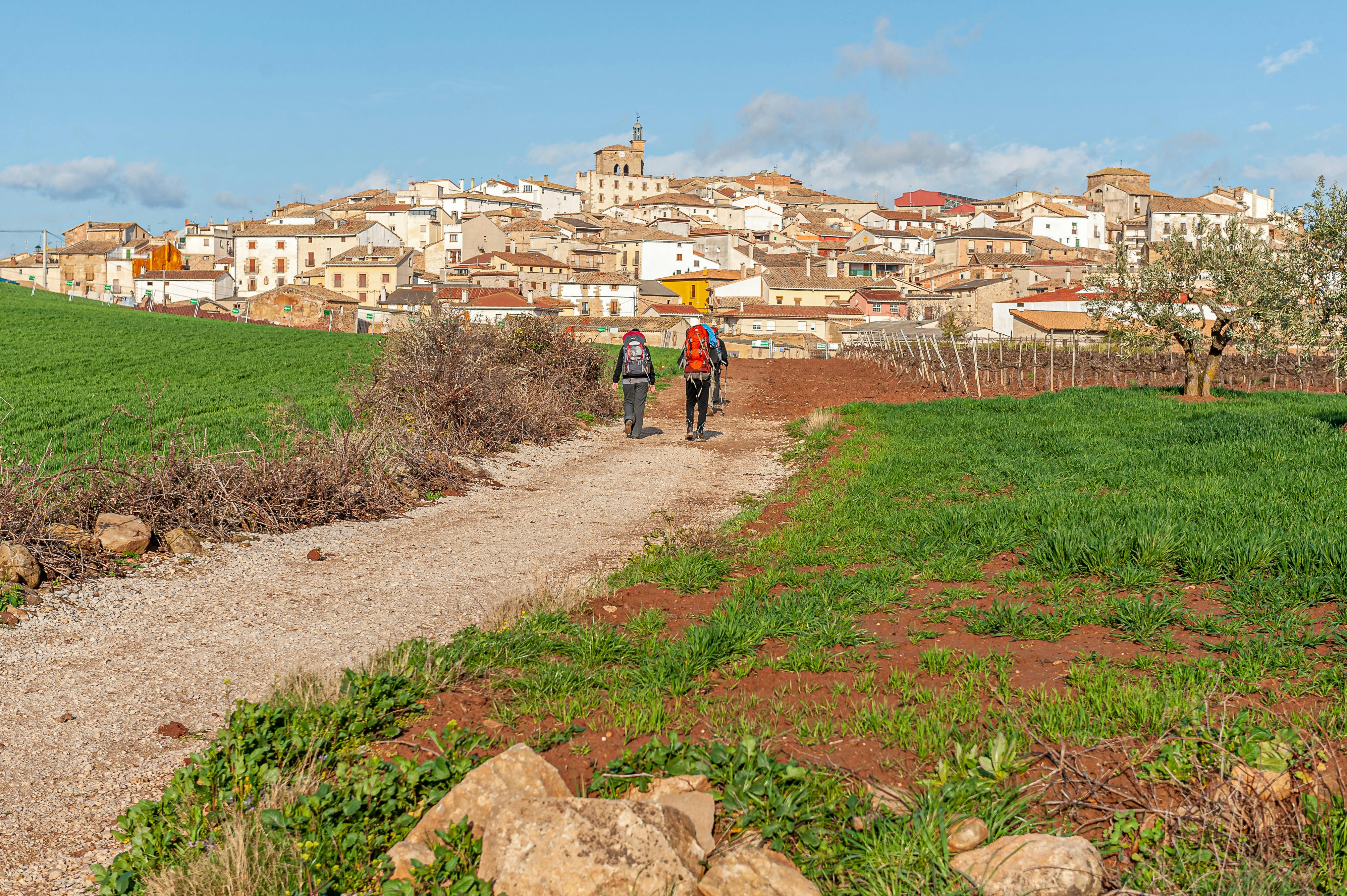
Every year, thousands of people from around the world lace up their hiking boots, hoist their backpacks, and set off on an ancient pilgrimage across Spain known as the Camino de Santiago. Some come seeking spiritual renewal. Others want to disconnect from their busy lives, challenge their bodies, or simply enjoy the stunning landscapes and charming villages of northern Spain. Whatever the reason, one thing is certain: walking the Camino is more than a physical journey—it’s a path that transforms your spirit.
The Camino de Santiago, or Way of Saint James, is not just one route but a network of pilgrimage trails that lead to the cathedral in Santiago de Compostela, where the remains of Saint James are believed to rest. Pilgrims have walked these trails for over a thousand years, guided by yellow arrows, scallop shells, and a shared sense of purpose.
Whether you walk 100 kilometers or 800, solo or in community, the Camino has a way of meeting you exactly where you are—and often taking you somewhere unexpected within.
A Path with Many Routes
There are several different routes to walk the Camino, each offering unique landscapes, experiences, and levels of difficulty:
- Camino Francés (The French Way): The most popular and well-marked route, beginning in St. Jean Pied de Port in France and stretching around 780 km to Santiago.
- Camino Portugués: Starts in Lisbon or Porto, traveling north through lush countryside and along the coast.
- Camino del Norte: A scenic and more challenging path that hugs Spain’s northern coastline.
- Camino Primitivo: The oldest and one of the most rugged routes, starting in Oviedo.
- Via de la Plata: The longest route, starting in Seville and ideal for seasoned walkers seeking solitude.
No matter which route you choose, the rhythm of walking—step by step, town by town—becomes a meditation in motion.
Some start the Camino for religious reasons, others for adventure or healing. But almost everyone finishes changed. The slow pace strips away distractions. The quiet makes room for reflection. And the small kindnesses—offered by strangers, fellow pilgrims, or locals—restore faith in humanity. You’ll learn to listen to your body. To be present in the moment. To let go of what you don’t need—physically and emotionally. The Camino reminds us that we’re stronger than we think and that sometimes, all you need to do is keep walking.
What You’ll See (and Feel)
The physical beauty of the Camino is undeniable. You’ll pass through medieval villages, sunflower fields, forests, vineyards, mountains, and farmlands. You’ll see Roman bridges, ancient churches, and charming plazas where pilgrims gather over wine and hearty meals.
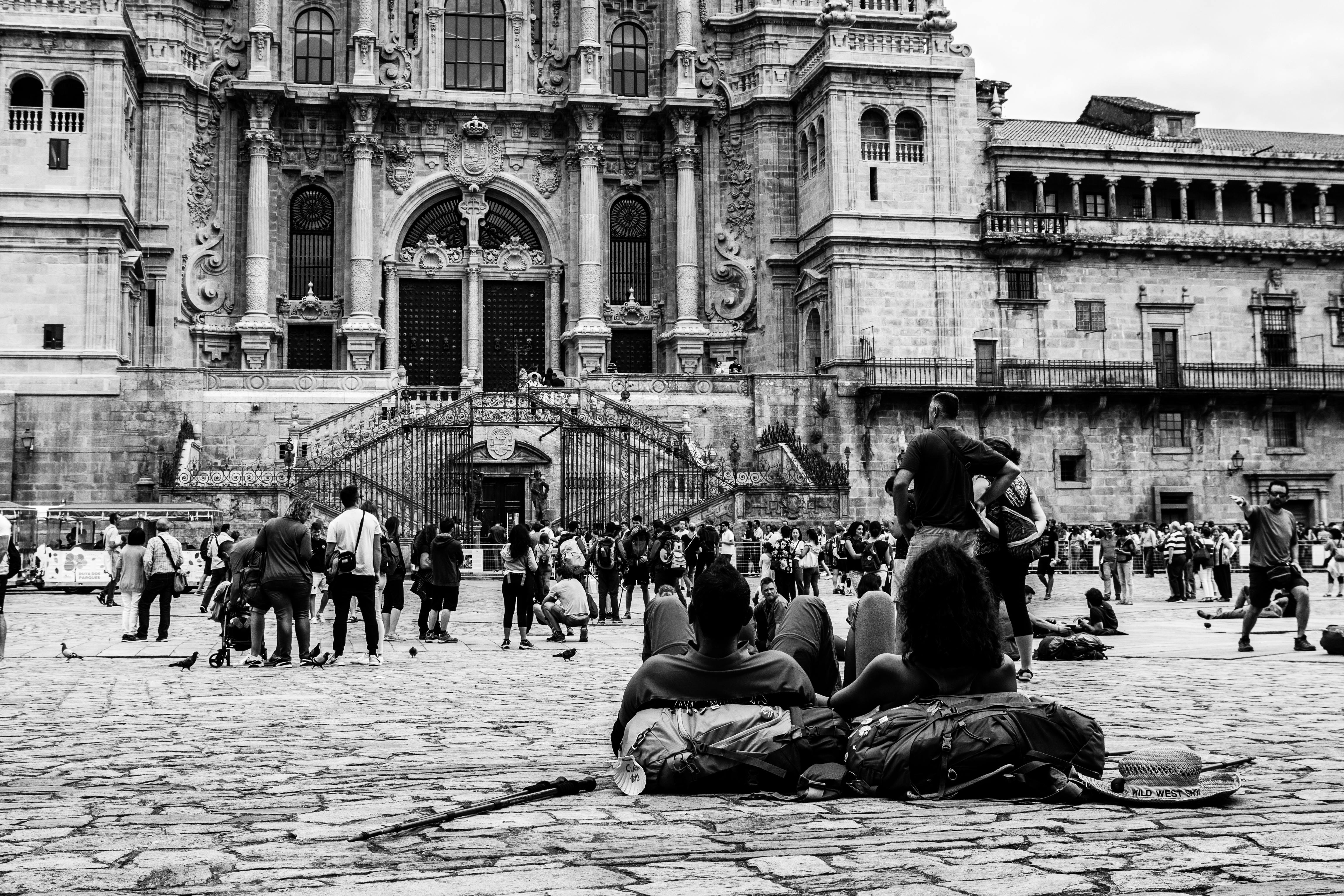
But the real beauty lies in the unexpected connections: a shared laugh with a stranger on the trail, the quiet of an early morning walk, the tears shed in front of the cathedral at the end. The Camino invites honesty, introspection, and renewal. Many pilgrims speak of breakthroughs—emotional clarity, forgiveness, purpose—that arrive somewhere along the way.
Preparing for the Journey
Walking the Camino is accessible to most people with a moderate level of fitness, but preparation is key:
- Train beforehand: Start walking daily, gradually increasing your distance and wearing your gear.
- Pack light: Aim for a backpack that’s 10% of your body weight. Essentials only!
- Foot care matters: Invest in good hiking shoes and practice walking in them. Blister prevention is your best friend.
- Get a pilgrim passport: Known as the credencial, this allows you to stay in pilgrim hostels (albergues) and collect stamps as proof of your journey.
No matter which route you choose, the rhythm of walking—step by step, town by town—becomes a meditation in motion.
Where You’ll Sleep and Eat
Pilgrims usually stay in albergues, which range from basic dormitories to charming converted monasteries. There’s a beautiful sense of community in these shared spaces—conversations over communal dinners, shared advice about the next day’s walk, or simply a smile from someone who understands your aches and joy.
Food on the Camino is simple but satisfying: hearty stews, tortilla española, bread, wine, and local specialties. Many places offer a "menu del peregrino", an affordable three-course meal for pilgrims.
Reaching Santiago de Compostela
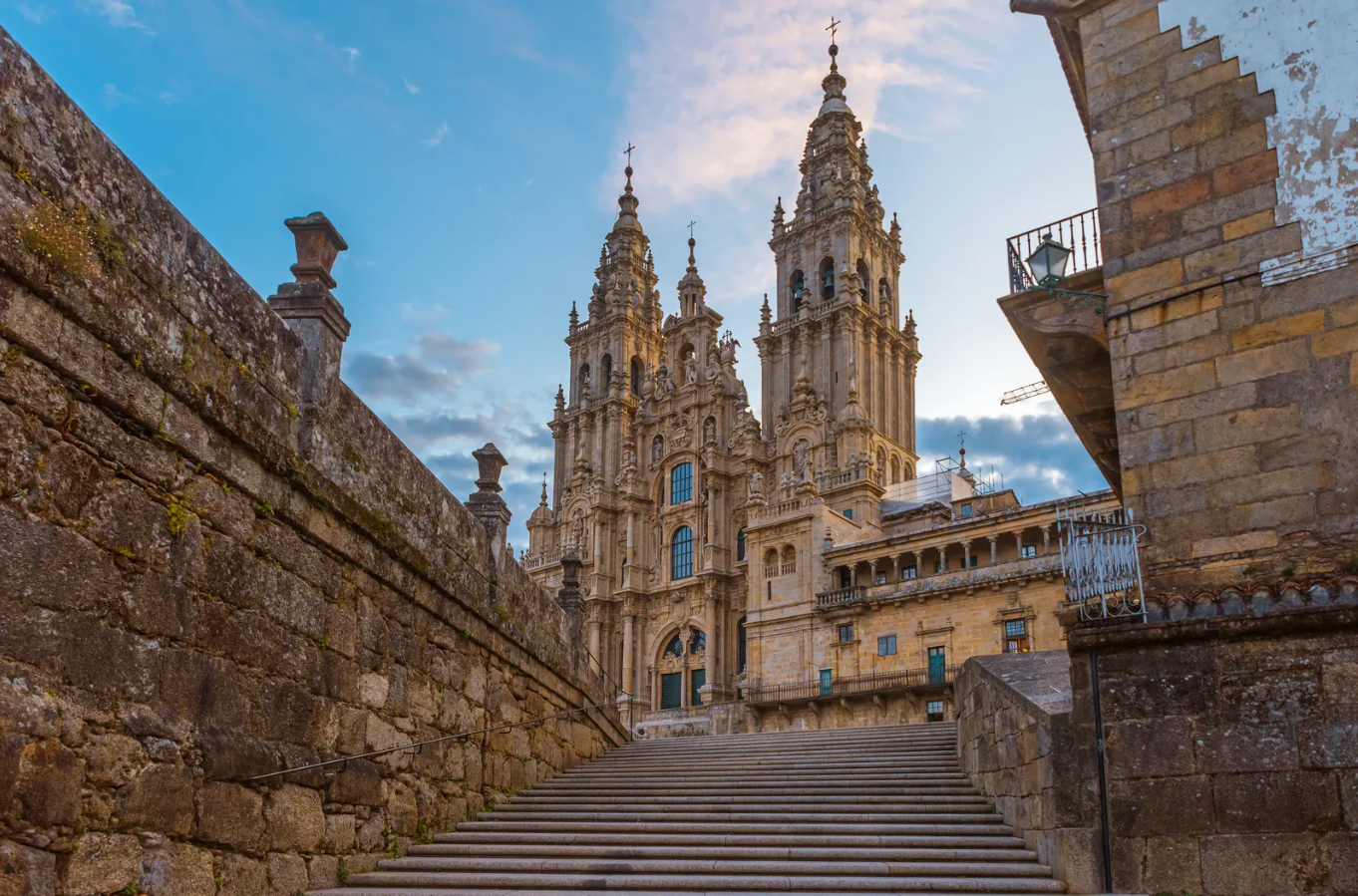
The final approach to Santiago de Compostela is often emotional. As the spires of the cathedral come into view, a mix of pride, relief, and awe washes over you. Inside the cathedral, many pilgrims take a moment to reflect, cry, or attend the Pilgrim Mass.
Those who have walked at least the final 100 km on foot (or 200 km by bike) can receive the Compostela certificate—a symbolic but meaningful recognition of the journey completed.
Final Reflections
Walking the Camino de Santiago is not just a hike across Spain—it’s a pilgrimage through your own thoughts, values, and emotions. It challenges you, opens your heart, and connects you to a long lineage of seekers who’ve walked before you.
Whether you walk for weeks or just a few days, the Camino has a way of leaving its mark. And long after your blisters have healed and your boots are packed away, the journey continues—because the real Camino, many say, begins when you return home.